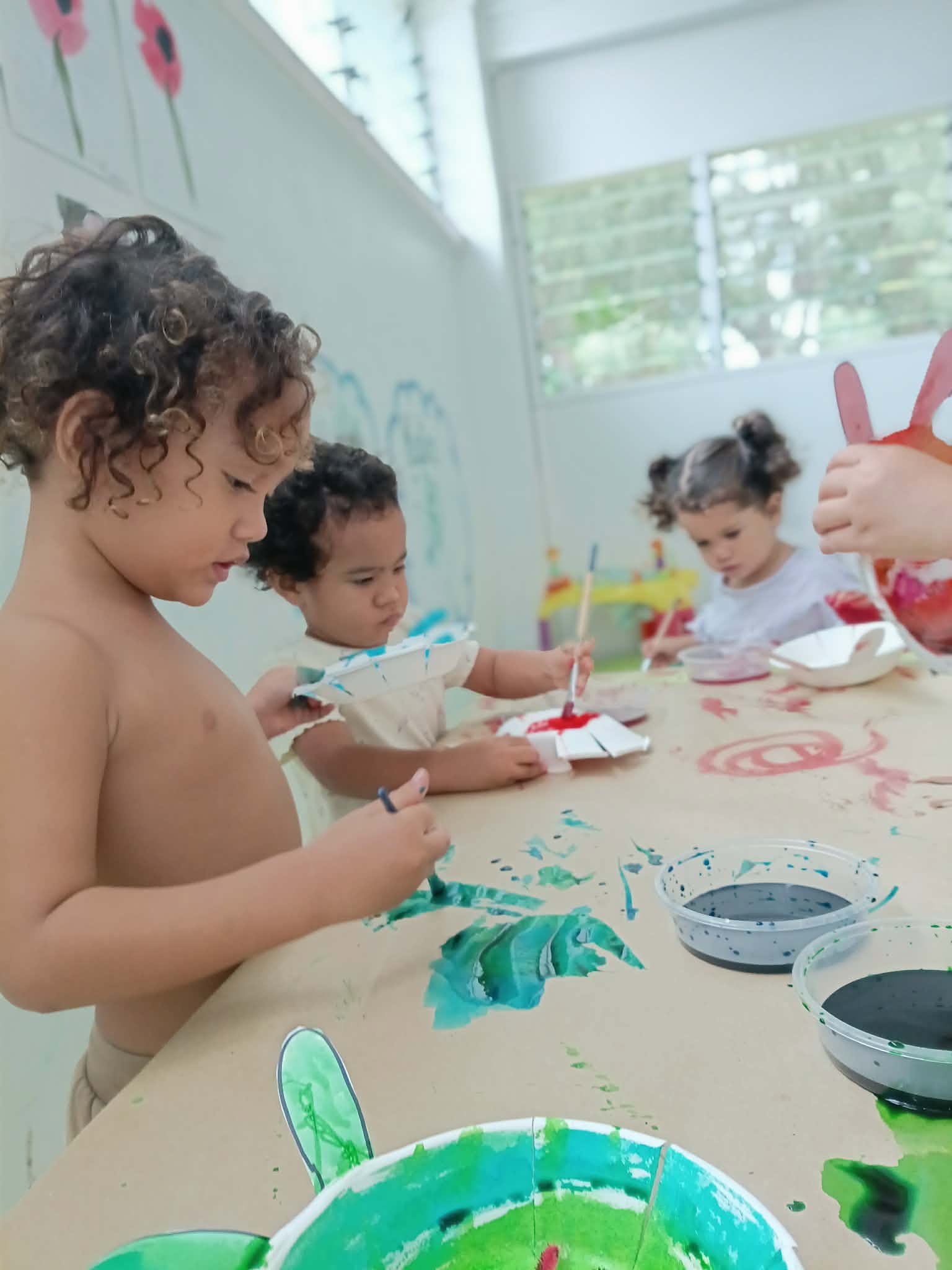
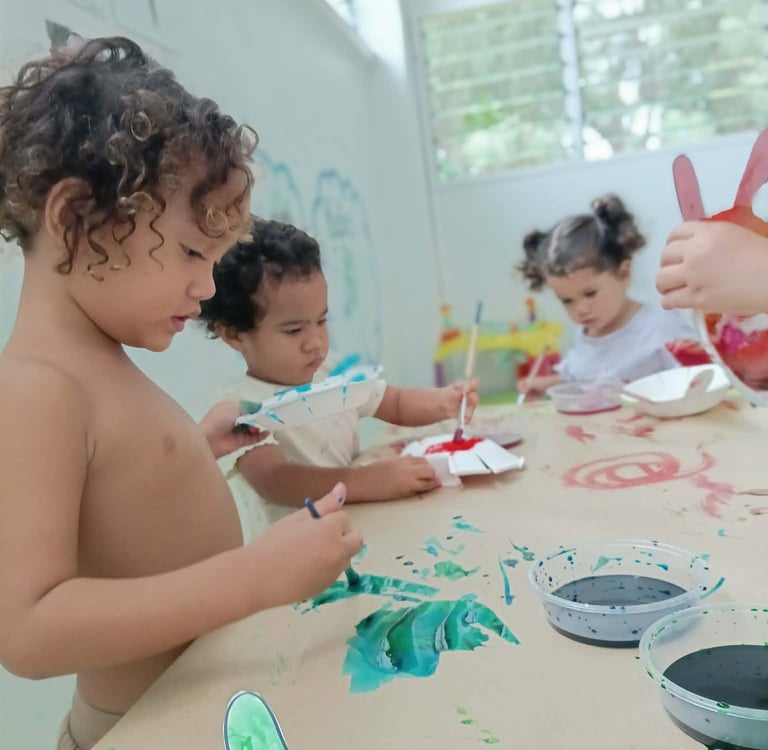
In Turangi, in the heart of Takitumu, Te Pū'ara Api'i Pōtiki is a small group of tamariki planted in the ground of their reo, learning as all our children should have the chance to learn, a language that will define them and shape the way they see the world, writes Thomas Tarurongo Wynne.
Not just childcare, not just language lessons. The slow, steady work of giving a child’s identity through their language.
I am that generation for whom that chance was taken away. The forces of colonisation and assimilation meant I did not grow up speaking Te Reo Māori. In the 1960s, speaking our reo at school was a punishable act. Those who lived through it often chose not to pass the language to their children, for many reasons. And so the cascade toward English domination and hegemony began. They say it takes one generation to lose a language and two to get it back. So when do we start the clock? When do we begin counting the generations toward recovery?
The 2021 Census recorded 751 children under the age of five living on Rarotonga, and 147 on Aitutaki alone. Nearly 900 tamariki on just two islands. And when we narrow that to the birth-to-three window, the gap between the end of maternity leave and the start of government-funded early childhood education, we are talking about roughly 540 children on those two islands alone living in a space where policy does not yet reach them.
And when those babies arrive, they arrive into a country with no childcare policy for their first three years, no operational funding for immersion centres, and a maternity leave period that, even after this year’s increase to eight weeks, still ends long before the work of language transmission has had time to take root. As parents work two jobs, sometimes three, just to get by.
Government-funded early childhood education begins at three. Which means those children at Te Pū'ara Api'i Pōtiki are supported entirely by parent fees, fundraising, and community goodwill. No government operational funding. No subsidy that follows the child. They are there because their families believe in something no budget has yet funded, nor any political party placed on their manifesto or priorities.
Last year, we celebrated sixty years of self-governance in free association with New Zealand. The theme was Kua kite au i toku turanga, e Avaiki toku. I know who I am, I have a homeland. Those are the words of a people who understand that identity is carried from one generation to the next. And it is carried, most significantly, in our reo.
In Aotearoa, the Kōhanga Reo movement was born in 1982 from a decision made by kaumatua that the revival of a dying language had to start from birth. By 1986, there were 415 language nests with more than 6000 children attending, who we now call the Kōhanga generation. And now that same Aotearoa sends delegations back to Takitumu to share what they have learned. Because sometimes it is the teina who has walked the road first, and the tuakana who comes to learn.
But we are turning this around. The work of Kōrero o te ‘Ōrau and Te Pū'ara Api'i Pōtiki is growing our reo and pe’u Māori. But why should it be privately funded? Why should the survival of our reo rest on foreign donors, sausage sizzles and parent fees and the sheer will of a few committed families, while we proclaim that our culture and Te Reo Māori are our greatest taonga?
We invest in what we believe is most important. The children born in the Cook Islands today will be 10 years old when we celebrate 70 years of self-governance in 2036. When that moment comes, when they stand and reflect on what this nation is and what it means to belong to it, will they do so in Te Reo Māori, or in English? That is not a question for 2036. That decision is made today. In this budget, and in our Parliament. Whether we fund the nest or leave this uto and the uto generation to wither without nutrients or soil. The choice is ours. It always has been.
Kare te au Peu
E ko tei topa ’ua ki muri.
Mari ra, ko te rave ’ia nei
’I teia ’ati’anga, E te ka rave ’ia
“I te au tuatua ki mua.
Ko te Pe’u tupuna,
Ko ta tatou i mua ana, ’I teianaei,
E ta tatou e umuumu nei.
Culture is not just the past. It is the present and the future. It is what we once were and what we strive to be. Culture is all that we have become and will become. (Hon. Geoffrey Arama Henry, 1991.)
enrol@tepuara.com
tepuara.com
Te Papa Api'i o Rutaki
Rutaki, Rarotonga
Images provided by Cook Islands Tourism. For reuse or copyright information email tourism@cookislands.travel
Your support keeps our tamariki in total immersion. Every dollar goes directly to Te Pū'ara Api'i Pōtiki.